Blythe Hill Fields garden rubbish removal in Catford
Posted on 08/08/2026
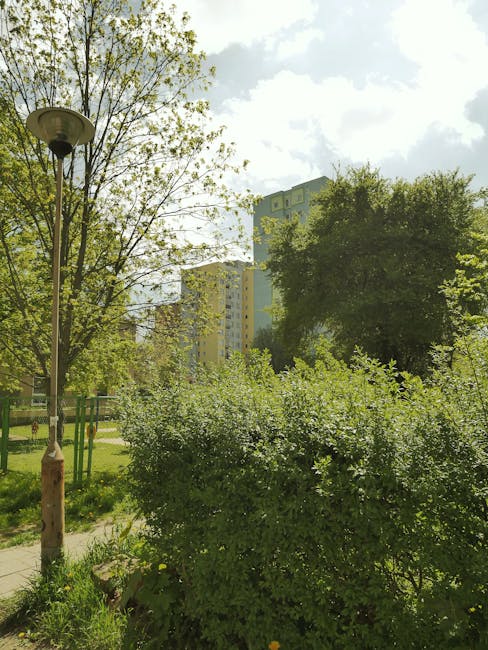
Blythe Hill Fields Garden Rubbish Removal in Catford: A Practical Local Guide
If your garden has started to look more like a holding bay for cuttings, broken pots, old fence panels, and the odd bag of soil, you are not alone. Blythe Hill Fields garden rubbish removal in Catford is one of those jobs that sounds simple until you are halfway through it, staring at a pile of damp green waste and wondering where on earth it should go. This guide walks you through what the service involves, why it matters locally, how the process usually works, and how to avoid the little mistakes that turn a tidy-up into a weekend headache.
Whether you are clearing after a big prune, reshaping a garden for summer, or just dealing with the aftermath of a bit of over-enthusiastic DIY, the aim is the same: remove waste safely, legally, and without turning your driveway into a small landfill. Let's make it easier.
Why Blythe Hill Fields garden rubbish removal in Catford matters
Blythe Hill Fields sits in a part of Catford where gardens, front drives, shared access spaces, and terrace layouts can make waste handling awkward if you do not plan ahead. Garden rubbish is not just one thing either. It can include branches, hedge trimmings, old compost bags, turf, rotting timber, cracked plant pots, broken sleepers, and sometimes heavier mixed waste from a project that started as "just a quick tidy-up". That is where proper garden rubbish removal becomes genuinely useful.
In practice, this service helps you deal with waste in a way that keeps the space usable and safe. A pile of wet clippings left by the side return or near a path can become slippery, attract pests, and make a garden feel neglected even when the planting itself is in good shape. Anyone who has done a spring clear after a rainy spell will know that smell too - earthy, a bit sour, and not especially pleasant when it sits there for days.
There is also the local angle. In Catford, people often value quick turnaround and straightforward collections, because homes and gardens are used hard. Family spaces, rental properties, and properties being prepared for sale all benefit from a clean external area. If you are thinking about presentation more broadly, you may also find it useful to read these Catford property sales tips or Catford property buying strategies, since exterior tidiness can influence first impressions more than people expect.
Expert summary: good garden rubbish removal is really about restoring usable space, reducing risk, and keeping disposal practical. It saves time, but more importantly it saves effort and avoids the messy second job of figuring out what can legally go where.
How Blythe Hill Fields garden rubbish removal in Catford works
Most garden rubbish removal jobs follow a fairly simple pattern. You gather the waste, identify what type it is, and arrange collection or loading. The main difference between an efficient job and a frustrating one is how well you sort and stage the waste before the collection happens.
Typically, a provider will assess the amount and type of waste, give an estimate, and then remove the material from your property. If access is tight, that is usually discussed in advance. In streets around Blythe Hill Fields, narrow side access, steps, shared gates, and parked cars can all affect how the work is done. Nothing dramatic, just practical realities. A clear route saves a lot of time.
If the garden waste is mixed with household items, soil, rubble, or timber from a bigger outdoor project, it may be handled as broader rubbish or waste removal rather than pure green waste. That is worth clarifying early, because mixed loads can change pricing and disposal method. For broader support, it can help to compare your needs with the service descriptions on the site, such as garden waste removal in Catford, waste removal in Catford, and rubbish collection in Catford.
For larger outdoor jobs, people sometimes discover they are not dealing with just a bit of hedge cuttings after all. A garden refresh can easily produce enough material to feel like a mini building project. That is why a quick plan beats a pile-and-hope approach every time.
What usually counts as garden rubbish?
- Grass cuttings and hedge trimmings
- Branches, prunings, and small tree cuttings
- Leaves, weeds, and plant debris
- Old compost, turf, and soil in manageable quantities
- Broken pots, trays, plant supports, and garden ornaments
- Timber, fence panels, sleepers, and garden edging from small projects
- Mixed outdoor junk from sheds, corners, or side returns
Some of that can be recycled or composted, and some needs a different disposal route. The distinction matters more than people think. Green waste and mixed rubbish are not the same thing, even if they end up in the same pile on a damp Saturday morning.
Key Benefits and Practical Advantages
The most obvious benefit is that your garden becomes usable again. You can mow, plant, entertain, or simply sit outside without looking at a mound of branches. But the practical gains go beyond appearances.
- Faster turnaround: waste is removed in one organised visit rather than several trips to a tip or recycling point.
- Less lifting and strain: garden rubbish can be awkward, heavy, and surprisingly sharp-edged.
- Cleaner presentation: useful if you are hosting, renting, or preparing a property for sale.
- Better safety: removing broken timber, loose debris, and slippery cuttings reduces trip and cut risks.
- Improved recycling potential: sorted green waste is more likely to be handled responsibly.
- Less disruption: collections can often be arranged around work, school runs, or weekend plans.
There is also a quieter benefit that people often underestimate: mental relief. A cluttered garden can feel like another unfinished task hanging over you. Once it is gone, the space feels lighter. A bit calmer. You notice the light more, the birds more, the garden itself more. That sounds soft, maybe, but it is real.
For readers who care about responsible disposal, the site's recycling and sustainability approach is worth understanding. Garden waste is not just "rubbish" in the everyday sense; handled properly, much of it can be diverted away from landfill pathways.
Who This Is For and When It Makes Sense
This service suits a wide range of people, not only homeowners with large gardens. In fact, some of the most common jobs are fairly ordinary. A row of hedge clippings from a once-a-year cut. A shed clear-out after winter. The remains of a small landscaping refresh. Nothing glamorous, but still too much for the household bin.
It makes sense if you are:
- Clearing a garden after pruning, mowing, or seasonal maintenance
- Replacing fencing, edging, or timber features
- Cleaning up after landscaping or minor outdoor DIY
- Getting a property ready to sell or let
- Trying to regain access to a cluttered side passage or patio
- Managing waste from a rental, shared garden, or family home
If you are based near Blythe Hill Fields and moving between routines - work, trains, school, errands, dinner, repeat - you probably want the job done neatly and without extra coordination. For some people, that is the entire point. No drama. No second trip. Just done.
It can also be a smart choice if you have limited storage for bags or if the waste is too bulky for standard household collection. A few bags of leaves are manageable; a trailer-load of wet branches is a different story. Truth be told, it is usually the second load that breaks most people.
Step-by-Step Guidance
If you want the process to go smoothly, a bit of preparation helps. You do not need to overthink it, but you should avoid the common "we'll sort it on the day" trap.
- Walk the garden and identify the waste. Separate green waste from mixed rubbish if you can. Note heavy items, awkward branches, and anything that might need extra handling.
- Estimate the volume. A few bags, a small pile, a larger heap by the fence - these rough visuals help work out the right service level.
- Check access. Can items be carried through a side gate? Is there a narrow path, steps, or a locked communal entrance?
- Remove obvious hazards. Put aside tools, pets' toys, loose glass, and anything sharp.
- Decide what stays. This sounds obvious, yet people often forget to mark items they want to keep. A quick "do not touch" stack saves hassle.
- Request a quote or book the collection. Be clear about the type of waste and whether it is all garden material or a mix.
- Stage the waste neatly. Bags together, branches stacked safely, heavy items accessible. The cleaner the setup, the faster the collection.
- Confirm disposal expectations. If recycling or sorting matters to you, ask how the waste will be handled.
That is the basic route. Simple on paper, easier in reality if the waste is already grouped. A tidy pile is not glamorous, but it is efficient. And efficiency matters when the weather turns or the weekend disappears faster than expected.
A quick note on same-day jobs
Sometimes garden waste builds up after a storm, a last-minute garden overhaul, or a sudden burst of motivation on a Friday evening. In those cases, same-day help can be useful. If speed is the priority, this explainer on SE6 same-day rubbish removal services may help set expectations without overcomplicating things.
Expert Tips for Better Results
In our experience, the best garden clear-outs are never the most complicated. They are the ones where someone spent ten minutes preparing properly. That small bit of care saves half an hour later. Sometimes more.
- Cut long branches down where safe to do so. Shorter lengths are easier to stack and safer to carry.
- Keep soil separate from green waste if possible. Soil is heavy and often treated differently.
- Bag loose clippings after they have dried a little. Wet grass is awkward, heavier, and messier to move.
- Group items by material. Green waste, timber, and mixed outdoor rubbish should not be treated as one thing unless you have to.
- Use one "decision corner". Put everything that is definitely going in the pile there. It reduces confusion.
- Think about access before the heap grows. A pile that blocks the gate is a nuisance; a pile that leaves space for carrying items is much better.
- Have gloves and sturdy footwear ready. A tiny thing, yes, but garden waste loves to hide thorns and splinters.
One useful habit is to do a quick final sweep before collection. Not a perfectionist sweep, just a practical one. Check for hoses, canes, loose screws, and anything you forgot was there. You will be surprised how often a small item gets left behind because it blended in with the rest.
If you are weighing up broader services, the site's services overview and about us pages can help you understand how garden clearance fits alongside other household waste needs.
Common Mistakes to Avoid
There are a few classic errors that turn a simple collection into a frustrating one. None of them are dramatic. They are just annoying. And avoidable.
- Mixing everything together without checking: garden waste, rubble, metal, and household junk can be treated differently.
- Underestimating the volume: a pruned hedge looks modest until it is on the ground and spread out.
- Leaving waste in an inaccessible spot: if it is behind a locked gate or squeezed into a corner, collection takes longer.
- Forgetting about damp weight: wet clippings and soil weigh more than they look.
- Not asking about prohibited items: some materials are not suitable for standard garden waste handling.
- Blocking paths or exits: safety matters. So does keeping the property usable while the job is underway.
Another easy mistake is assuming all outdoor waste is the same as green waste. It is not. A cracked planter, old timber, and turf offcuts may sound like cousins, but they are not identical from a disposal point of view. A little sorting goes a long way.
There is also the temptation to delay the job because it "doesn't look too bad yet". Then one wet week passes, then another. By that point the pile has settled in like a bad houseguest.
Tools, Resources and Recommendations
You do not need a van-load of specialist equipment for garden rubbish removal, but a few basics make life much easier.
| Tool or item | Why it helps | Best use |
|---|---|---|
| Heavy-duty gloves | Protect hands from thorns, splinters, and rough edges | Sorting branches, timber, and mixed garden debris |
| Strong refuse bags | Contain loose clippings and smaller cuttings | Leaves, weeds, grass, and light garden waste |
| Wheelbarrow or garden sack | Moves material more efficiently | Transporting waste to a central collection point |
| Secateurs or loppers | Reduces bulky branch lengths | Safe pruning and easier stacking |
| Tarpaulin | Keeps piles tidy and protects surfaces | Temporary staging on patios or driveways |
For Catford residents, the most helpful resource is often a clear understanding of what you want the final result to be. Do you need a full reset, or just a remove-and-go collection? Are you planning another garden project after the rubbish goes, or do you simply want the area back to normal? That decision shapes everything else.
If the job is part of a bigger clearance, you may also want to compare this with builders waste disposal in Catford or house clearance in Catford. Sometimes the boundary between garden waste and general clearance gets a bit blurry. That's fine. It just needs the right route.
Law, Compliance, Standards and Best Practice
Waste disposal in the UK is not something to wing. Even for something as ordinary as garden rubbish, the key expectation is that waste is handled responsibly and passed to an authorised route. You do not need to become a compliance expert, but you should know the basics.
As a householder, your main responsibilities are to make sure the waste is genuinely yours to dispose of, to avoid mixing in prohibited items without warning, and to use a provider that can handle the job properly. Best practice also means keeping waste from spilling into public areas, not leaving sharp or heavy items where they can injure someone, and being honest about what is in the pile. Simple, but important.
Responsible garden waste handling usually means separating recyclable or compostable material where possible. It also means taking care with soil, treated timber, old fencing, and anything contaminated with paint, chemicals, or adhesives. Those details matter. A lot, actually, even if the pile looks innocent from the kerb.
For readers who care about trust and process, the site's pages on insurance and safety, terms and conditions, and privacy policy provide useful reassurance around how professional services are typically run. You may also want to review payment and security if you are booking online or paying digitally.
In plain English: ask sensible questions, describe the waste accurately, and choose the cleanest route rather than the quickest guess. That is usually the safest way forward.
Options, Methods and Comparison Table
There is more than one way to deal with garden waste, and the right choice depends on volume, timing, access, and how hands-on you want to be. Some people are happy loading bags into a car over several trips. Others would rather have the whole thing lifted and gone in one go. Fair enough.
| Method | Best for | Pros | Cons |
|---|---|---|---|
| DIY disposal | Very small amounts of waste | Can feel cheap if you already have transport | Time-consuming, physically tiring, multiple trips |
| Local council route | Some household garden waste in suitable form | Can work for routine disposal | Often slower, less flexible, may not suit bulky mixed loads |
| Professional garden waste removal | Moderate to large volumes, bulky or mixed waste | Fast, convenient, minimal lifting for you | Usually costs more than doing it yourself |
There is no "best" method for every person. If you have a tiny pile of leaves and a free afternoon, DIY might make sense. If you have hedges, branches, old timber, and a Friday deadline before guests arrive, professional removal is usually the calmer choice. Sometimes the calmer choice is the smart choice.
If you are comparing services more broadly, the site's pricing and quotes page is a sensible place to understand how estimates are approached before making a decision.
Case Study or Real-World Example
Imagine a typical Catford garden after a late-spring tidy-up. Nothing huge. A hedge has been cut back, two old planters have cracked, the back corner has a stack of broken timber from a half-finished border, and there is a patch of soil where a tired old shrub used to be. The owner thought it would take one bin bag. It did not. It became six bags, a bundle of branches, and a heavy little mound that kept spreading every time someone walked past it.
At first, the waste sat near the patio because the owner wanted to sort it properly later. Which, to be fair, is how lots of jobs begin. But after two damp nights, the bags were heavier, the patio felt cramped, and the garden stopped being somewhere pleasant to sit. The eventual collection happened after the waste was stacked by material and moved to a clear access point. The job itself was straightforward. The delay was the problem.
What changed the outcome was not some magic trick. It was simply preparing the waste earlier, separating the timber from the green cuttings, and not leaving the pile to absorb the weather. A tidy garden after a tidy-up should feel like a reward, not another project waiting around the corner.
If you live near transport links or have a busy household routine, planning around the day helps even more. A useful read alongside this is rubbish collection tips for homes near Catford Bridge Station, which is handy if your collection needs to fit around movement, parking, and daily life.
Practical Checklist
Use this quick checklist before arranging Blythe Hill Fields garden rubbish removal in Catford.
- Have you identified all the waste in the garden?
- Have you separated green waste from rubble, timber, or household items?
- Can the waste be reached safely and without blocking access?
- Have you checked for sharp items, broken glass, or hidden fixings?
- Do you know roughly how much waste there is?
- Have you decided whether you need a same-day or scheduled collection?
- Have you set aside items you want to keep?
- Is the collection point clear of parked cars, bins, or tools?
- Do you understand any restrictions on the waste type?
- Have you asked about payment, safety, and disposal handling?
A simple checklist like this prevents those annoying little surprises that always seem to show up right when you are trying to finish. And yes, there is always one surprise, isn't there?
Conclusion
Blythe Hill Fields garden rubbish removal in Catford is really about making a garden usable again without the stress, mess, or endless trips that come with doing it all yourself. When you separate the waste, check access, and choose the right disposal route, the whole process becomes much smoother. The space feels cleaner, safer, and easier to enjoy. That is the point.
For many Catford households, the best approach is not the most complicated one. It is the one that fits the property, the schedule, and the type of waste you actually have. Keep it practical, keep it honest, and do not let a small pile become a bigger job than it needs to be.
Get a free quote today and see how much you can save.
And once the rubbish is gone, you get the nicest part back: the quiet, open feeling of a garden that is ready for a fresh start.
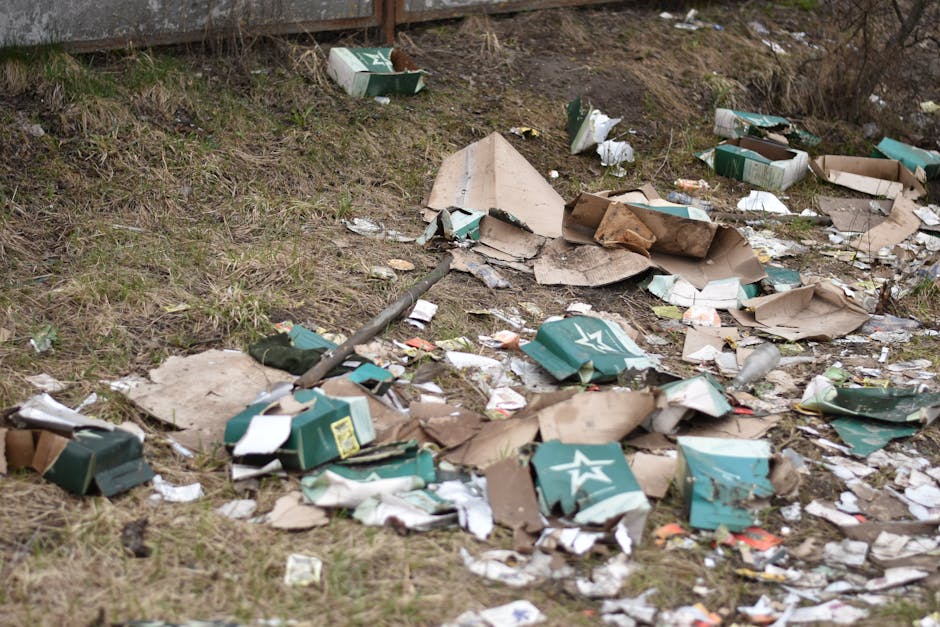
 Tipper Van - Rubbish Collection and Garden Clearance Prices in Catford, SE6
 Luton Van -