Catford Bridge station rubbish collection tips for homes
Posted on 16/07/2026
If you live near Catford Bridge station, rubbish has a way of building up faster than you expect. One week it is packaging from a flat clear-out, the next it is a stubborn pile of old furniture, garden cuttings, or bags that never quite make it to the kerb on time. The good news is that Catford Bridge station rubbish collection tips for homes are not complicated once you know the rhythm: sort early, store waste safely, choose the right removal method, and avoid the mistakes that turn a simple job into a messy one.
This guide is written for real homes around Catford Bridge and the surrounding SE6 area. It explains how domestic rubbish collection works, what to look out for, and how to make cleaner, quicker decisions when you need clutter gone without creating stress. In our experience, the households that deal with waste well are not the ones with the fanciest system. They are the ones with a simple system that gets used.
Whether you are managing weekly household waste, clearing a loft, or dealing with a sudden bulk load after a move, the aim is the same: keep your home tidy, stay compliant, and avoid unnecessary time waste. Let's make it practical.
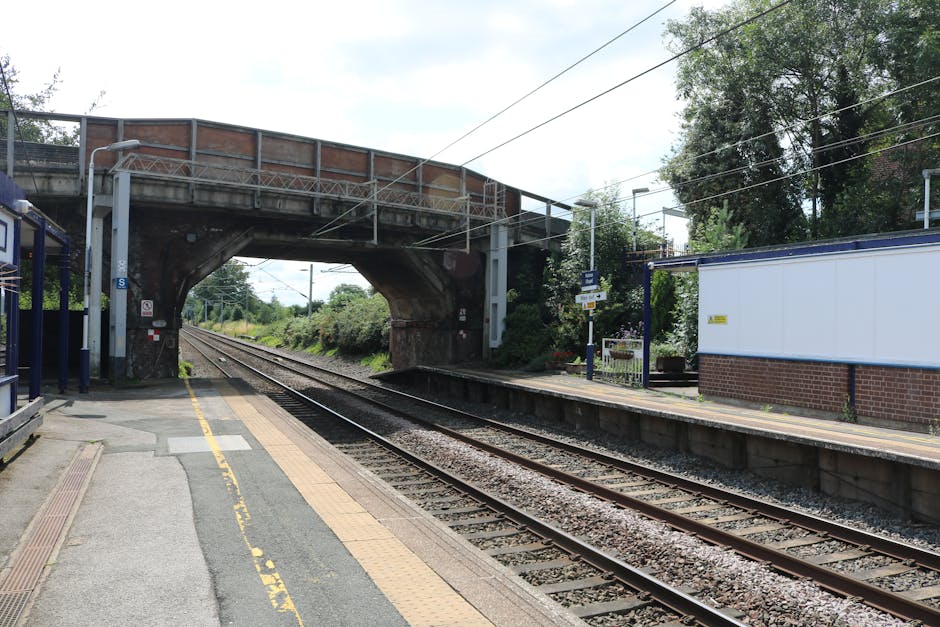
Why Catford Bridge station rubbish collection tips for homes Matters
Homes near a busy transport spot tend to feel waste problems more sharply. People are in and out, parcels arrive constantly, and space is often tighter than it looks on the listing. A few missed collection days can mean bags in hallways, overflowing bins in small gardens, or waste tucked into corners "just for now". You know how that goes. It never stays "for now".
Good rubbish collection habits matter for three simple reasons. First, they protect your living space. Second, they reduce smell, pests, and trip hazards. Third, they help you make the right decision between ordinary household disposal, bulky waste removal, recycling, or a one-off clearance.
There is also a local reality to consider. In mixed residential streets around Catford Bridge station, space for bins is not always generous, and access can be awkward for larger items. That means timing and preparation matter more than people realise. If you leave things too late, the job becomes more expensive, more stressful, and far more likely to annoy neighbours. Nobody wants that awkward moment at 7:30 in the morning when someone is trying to drag a wardrobe down the stairs.
For homeowners, landlords, tenants, and anyone prepping a property for sale or letting, a tidy waste strategy also supports presentation. A clean exterior, clear hallway, and uncluttered garden instantly make a home feel better cared for. That matters if you are thinking in broader property terms too; our articles on Catford property sales tips and buying strategies touch on how presentation and practicality often go hand in hand.
How Catford Bridge station rubbish collection tips for homes Works
At home level, rubbish collection is really just a sequence of decisions. What do you have? How much of it is there? Can it be reused, recycled, or bagged for normal collection? Or does it need a dedicated removal service because it is bulky, awkward, or too much for the usual bins?
For most homes, the process starts with sorting. Regular household waste goes in the normal stream. Recyclables should be separated where practical. Bulky items such as mattresses, old sofas, broken cabinets, and renovation offcuts usually need a different approach. Garden waste often sits in its own category, and heavy builder-style waste is a different beast entirely.
If you are using a professional collection service, the usual flow is straightforward:
- Identify the type and rough volume of waste.
- Decide what can be recycled, reused, or donated.
- Bag, box, or stack items so they are safe to move.
- Arrange collection for a suitable time window.
- Make access easy: clear the path, unlock gates, and park sensibly if needed.
- Keep hazardous or special items separate and disclose them clearly beforehand.
That last point matters more than people expect. A mixed load can change how a collection needs to be handled. For example, a bag of general rubbish behaves very differently from a damp pile of garden waste or a heavy stack of broken plasterboard. A decent service will want to know the difference before arriving, not after they are standing in your front garden wondering what exactly they have walked into.
If your needs go beyond a few bags, it helps to look at the broader services overview and compare it with dedicated options such as rubbish collection in Catford or more general waste removal in Catford. The right choice often comes down to convenience, volume, and how quickly you need the space back.
Key Benefits and Practical Advantages
The biggest benefit of getting rubbish collection right is simple: your home feels lighter. Not just cleaner, but easier to live in. There is less visual noise, less clutter friction, and fewer half-finished jobs nagging at you every time you walk past them.
Here are the practical wins people usually notice first:
- Faster clear space: Rooms feel usable again, which matters if you are working from home or juggling family life.
- Lower safety risk: Fewer trip hazards, fewer blocked exits, less chance of broken items causing cuts or damage.
- Better hygiene: Bad smells, moisture, and pests are less likely to build up around stored waste.
- Less neighbour friction: Neat storage and timely collection reduce kerbside clutter and complaints.
- Better recycling outcomes: Sorting waste properly keeps more material out of general rubbish streams.
There is a quieter benefit too. Decision fatigue drops. Once you have a workable system for waste, you stop shuffling the same old bags from corner to corner. That alone is worth something. To be fair, a tidy home is rarely about perfection. It is about not being constantly interrupted by mess.
For households that care about sustainability, local collection habits can also support better reuse and recycling thinking. If that matters to you, it is worth reading the site's recycling and sustainability guidance alongside your own home routine.
Who This Is For and When It Makes Sense
These tips are most useful for anyone living in a flat, terraced house, or small family home around Catford Bridge station who wants a cleaner, more manageable waste routine. That includes:
- Homeowners clearing accumulated household clutter
- Tenants moving out and needing a tidy handover
- Landlords between tenancies
- New buyers dealing with inherited rubbish from previous occupants
- Families after a room refresh, spring clean, or kids' bedroom overhaul
- Gardeners handling seasonal green waste
- DIYers with leftover renovation material
It makes sense whenever the waste is more than your normal weekly bins can handle. That could be after a birthday party, a kitchen upgrade, a loft sort-out, or one of those weekends where the whole house seems to have produced three black bags per room for no obvious reason. Happens all the time.
If the issue is a full property clear rather than just a few bags, a more structured approach may be better. A service such as house clearance in Catford is often the right fit for deceased estates, downsizing, probate-related tidying, or homes that have simply got away from people over time.
Step-by-Step Guidance
Here is a sensible, home-friendly way to tackle rubbish collection near Catford Bridge station without overcomplicating it.
1. Walk through the property first
Do a full sweep of the home, including loft, shed, under-stairs cupboard, and garden. Make one honest pile for rubbish, one for donations or reuse, and one for recycling. If you skip this step, you tend to pay to move things that could have been kept or given away.
2. Separate what needs special handling
Paint, solvents, batteries, electricals, fridges, mattresses, and certain DIY materials should not just be tossed into a random pile. Some need separate handling or at least advance notice. You do not need a panic attack over it, but you do need to be clear.
3. Bag and bundle properly
Use strong bags, secure lids, and sensible bundling for loose items. Books, toys, broken small furniture, and textiles are easier to manage when grouped neatly. Wet items should be drained or wrapped so they do not leak across the floor or van.
4. Measure access before collection day
Check stairs, narrow hallways, shared entrances, parking limitations, and gate access. A collection team can work much faster when they are not squeezed around a bike, a pram, and a pile of shoes in the front hall. Small detail, big difference.
5. Choose the right collection type
If it is only a few bags, standard rubbish collection may be enough. If it is a bigger mixed load, a one-off waste removal service may be more efficient. If you have builders' debris, use the right disposal route rather than mixing it with domestic waste. For that, a dedicated builders' waste disposal option is usually the safer choice.
6. Confirm timing and expectations
Morning collections are often easiest for residential streets, especially where parking is tight or neighbours are sensitive to noise. If you can, avoid leaving waste out overnight. It looks worse, and on damp evenings it starts smelling before you know it.
7. Final tidy-up after removal
Once the waste has gone, give the area a quick clean. Sweep the floor, wipe down edges, and check for stray nails, shards, or staples. It is a small finishing touch, but it makes the whole job feel complete. Tiny effort, big payoff.
Expert Tips for Better Results
A few small habits make rubbish collection dramatically smoother. Nothing dramatic, just the sort of details people learn after doing this a few times.
- Keep a "departure box": Hold a box or tub in the hallway for items that are definitely leaving the house. This stops them migrating back into drawers.
- Use a simple label system: Write "recycle", "keep", "dump", or "donate" on boxes while you sort. It feels almost too simple, but it works.
- Do heavy items first: Old furniture and broken appliances are the hardest to deal with, so clear them before the smaller stuff gets in the way.
- Take photos of awkward items: If you are booking a collection, photos help explain access and load type clearly. Saves back-and-forth.
- Avoid creating mixed damp piles: Wet cardboard, garden waste, and household rubbish left together become messy fast.
- Plan around bin day if possible: If you are already near a collection day, you may be able to reduce how much needs removal.
One useful local observation: homes near stations often accumulate "temporary" waste more quickly because people are rushing. Shoes by the door, delivery boxes in the hall, old bags by the back gate. The trick is not perfection, just a weekly reset. Ten minutes on a Sunday evening can save a lot of midweek faffing.
If you want a faster turnaround for urgent loads, the article on same-day rubbish removal in SE6 is a helpful companion piece.
Common Mistakes to Avoid
Most rubbish problems are caused by a few repeat mistakes. Nothing exotic. Just avoidable stuff that keeps happening because people are busy.
- Leaving everything until the last minute: This is the biggest one. Panic sorting is slower and more expensive.
- Mixing everything together: Recyclables, general waste, and heavy debris should not all be dumped in one pile if you can avoid it.
- Forgetting access issues: Tight stairs, locked gates, and parked cars can turn a simple job into a long one.
- Underestimating volume: What looks like four bags in the kitchen may become twelve once you start stacking.
- Ignoring smell or damp: Especially with garden waste or old soft furnishings, moisture changes the job quickly.
- Putting unsafe items out casually: Glass, sharps, chemicals, and electricals need more care than a standard black bag.
Another mistake is booking a removal method that is simply too small for the task. It sounds economical, but if the provider has to come back, the cost and hassle may outweigh the saving. Truth be told, cheap can become expensive pretty quickly when the job is messy.
Tools, Resources and Recommendations
You do not need much to manage home rubbish well. A few simple tools are enough:
- Strong bin bags or rubble sacks
- Dustpan, brush, and gloves
- Marker pens or labels
- Stackable boxes for sorting
- Old sheets or tarpaulin for protecting floors
- Tape for bundling cables or loose items
- A tape measure for bulky furniture and access points
For larger jobs, it helps to think in categories rather than individual items. That means making a rough list of what you have: bags, furniture, garden cuttings, broken appliances, renovation offcuts, and anything sensitive or hazardous. A clear list makes it easier to discuss the work and choose the right service.
If you are comparing service types, the site's pricing and quotes information can help you understand what usually affects cost, while about us is useful if you want a better sense of the people behind the service. For households with bigger outdoor loads, garden waste removal in Catford is often the cleaner route than trying to squeeze everything into normal domestic disposal.
Law, Compliance, Standards, or Best Practice
For domestic waste, the main thing is to dispose of rubbish responsibly and avoid fly-tipping or unsafe handling. In the UK, households generally need to make sure waste is passed to a legitimate collector or handled through normal local disposal arrangements. If you hire someone to remove rubbish from your home, it is sensible to use a provider that can explain how waste is handled and where appropriate sorting or recycling takes place.
You do not need to become a legal expert to manage home rubbish properly. But a few best practices are worth keeping in mind:
- Keep waste out of pavements, shared entrances, and public areas longer than necessary.
- Separate hazardous or unusual items and ask how they should be handled.
- Do not assume every collector takes every material.
- Be cautious about anyone offering to remove waste without clear details or proper professionalism.
If a collection involves heavier or more awkward materials, safety matters too. Clear walkways, reasonable lifting practices, and sensible packing are not optional extras. They protect you, your neighbours, and the team removing the waste. If you want to check the company's approach to these issues, the insurance and safety page is the right place to start.
Options, Methods, or Comparison Table
Choosing the right disposal method depends on what you are throwing away, how much of it there is, and how quickly you need it gone. Here is a practical comparison.
| Method | Best for | Pros | Limitations |
|---|---|---|---|
| Normal household bin collection | Routine everyday waste | Simple, familiar, low effort | Not suitable for bulky or excess rubbish |
| Recycling at source | Cardboard, plastics, metals, glass where appropriate | Reduces landfill and clutter | Needs sorting and storage space |
| One-off rubbish collection | Mixed domestic waste and bagged clutter | Quick, convenient, flexible | May not suit very large or specialised loads |
| House clearance | Full-property, probate, move-out, or heavy clutter jobs | Thorough and time-saving | More involved than a small collection |
| Garden waste removal | Green cuttings, soil-related debris, outdoor waste | Keeps garden work tidy and contained | Not ideal for general household waste |
| Builders' waste disposal | DIY rubble, timber, tiles, and renovation debris | Safer for mixed construction material | Needs correct categorisation |
There is no perfect single option for every home. The best method is the one that matches the waste, not the one that sounds easiest in the moment. That distinction saves a lot of grief.
Case Study or Real-World Example
A typical example: a couple in a Catford flat near the station had accumulated a mixture of flat-pack packaging, two broken dining chairs, several black bags of old clothes, and a small amount of garden waste from a neglected courtyard. At first, they thought it was a "few bags job". It was not.
They sorted the items into three groups: keep, recycle, and remove. The cardboard went flat. The clothes were bagged separately. The garden cuttings were tied or contained so they would not scatter in the hallway. The chairs were measured to make sure they could get through the stairwell without scraping the walls. That tiny bit of planning changed the whole job.
What would have been a stressful pile-up became a tidy one-off collection. More importantly, the home felt settled again. Not polished, just calm. Sometimes that is the real goal. A Sunday afternoon with no bags stacked by the door feels better than people expect.
This sort of scenario also links neatly with wider local life. If you are tidying a place before moving or viewing, it may help to think about the area as a whole too; pieces like what locals say about living in Catford and the Catford area guide show why clean, well-kept homes matter in practical everyday life.
Practical Checklist
Use this quick checklist before arranging home rubbish collection near Catford Bridge station.
- Have I sorted waste into keep, recycle, donate, and remove?
- Have I separated anything hazardous, wet, or unusually heavy?
- Are bags sealed and boxes taped shut?
- Can collection access be made easy with clear walkways and unlocked gates?
- Do I know roughly how much waste there is?
- Are bulky items measured so they can be moved safely?
- Have I checked whether I need a standard collection, garden waste removal, builders' waste disposal, or full house clearance?
- Have I confirmed the timing so rubbish is not sitting out too long?
- Do I know what needs to be recycled rather than thrown away?
- Have I cleaned the area after the waste is removed?
If you can tick most of those off, you are in a good place. Seriously, that is most of the battle.
Get a free quote today and see how much you can save.
Conclusion
Catford Bridge station rubbish collection tips for homes are really about making life easier in small, repeatable ways. Sort waste early. Keep access clear. Match the disposal method to the waste type. And do not leave awkward items to grow into a bigger problem than they need to be.
For homes near the station, the best approach is usually the one that stays simple enough to use again next month, not just once. That is the sort of routine that keeps a property feeling calm, safer, and easier to look after. A bit of planning goes a long way. A proper long way.
If you are ready to clear space, reduce stress, and deal with rubbish in a more organised way, start with the load in front of you and work from there. One step at a time is still progress.

 Tipper Van - Rubbish Collection and Garden Clearance Prices in Catford, SE6
 Luton Van -